
Databases (Open Access)
-
African American Women Writers of the 19th Century The nineteenth century was a formative period in African-American literary and cultural history. Prior to the Civil War, the majority of black Americans living in the United States were held in bondage. Law and practice forbade teaching blacks from learning to read or write. Even after the war, many of the impediments to learning and literary productivity remained. Nevertheless, black men and women of the nineteenth century learned to both read and write.
-
Library of Congress - Slave Letters Born in Slavery: Slave Narratives from the Federal Writers' Project, 1936-1938 contains more than 2,300 first-person accounts of slavery and 500 black-and-white photographs of former slaves. These narratives were collected in the 1930s as part of the Federal Writers' Project (FWP) of the Works Progress Administration, later renamed Work Projects Administration (WPA). At the conclusion of the Slave Narrative project, a set of edited transcripts was assembled and microfilmed in 1941 as the seventeen-volume Slave Narratives: A Folk History of Slavery in the United States from Interviews with Former Slaves. I
-
PBS: Thirteen - The Slave Experience This archive contains written, visual, and material records relating to black women's experience in bondage. The slave owner's exploitation of the black woman's sexuality was one of the most significant factors differentiating the experience of slavery for males and females.
-
Healthcare Access Map (Interactive) Throughout the United States, health status and outcomes, access to care, and socioeconomic status vary by race and ethnic group. This Interactive Perspective, which uses data aggregated by the Health Opportunity and Equity (HOPE) Initiative, allows readers to view and compare data on a range of indicators for each state and for six racial and ethnic groups.
Podcasts
Virtual Museum Exhibits

Black Women's Economic Power: Visualizing Domestic Spaces in the 1830s
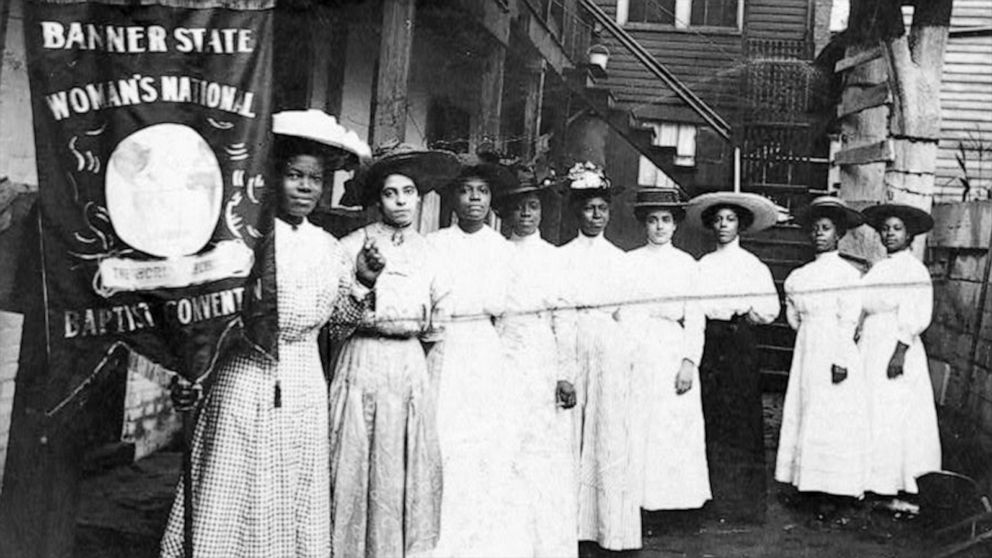
This exhibit highlights the contributions of local boarding house hosts and hostesses who provided comfortable spaces for delegates of the 1830s conventions and helped turn their community into a rich hub for activism. It also acknowledges the obscured efforts of women whose livelihoods aided in fostering Black economic mobility—one of the aims of the conventions.
Working for Higher Education: Advancing Black Women's Rights in the 1850s
This exhibit accompanies Kabria Baumgartner’s essay, “Gender Politics and the Manual Labor College Initiative at National Colored Conventions in Antebellum America” in the in-progress volume, Colored Conventions in the Nineteenth Century and the Digital Age. While African American men spearheaded Colored Conventions, they were aware of the dominant trends in men’s and women’s higher education and they were almost always in dialogue with African American women intellectuals.
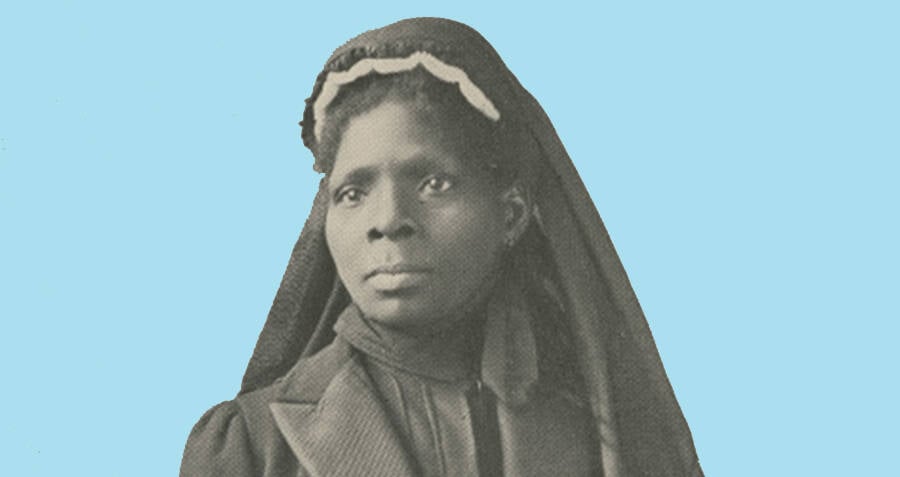
Susie King Taylor: An African American Nurse in the Civil War
Do you know who Susie King Taylor was?
Born into slavery in the Deep South, she served the Union Army in various capacities: officially as a "laundress" but in reality a nurse, caretaker, educator, and friend to the First South Carolina Volunteer Infantry (later the 33rd U.S. Colored Troops Infantry Regiment). In 1902, she published these experiences in Reminiscences of My Life in Camp, a Civil War memoir told from the singular perspective of an African American woman.

Vital Midwives
Curators at the National Museum of African American History and Culture purchased this tintype at auction in 2014 because it provided rare visual evidence of a nineteenth-century black woman as a medical professional. Additional research uncovered a possible identification: Sarah Loguen Fraser (1863-1933), an African American female doctor—one of only about 115 in the nation in the 1890s. Loguen Fraser educated black midwives to integrate modern medical knowledge into their traditional routines.